

The discussion surrounding the origins of criminal behavior—whether it is innate or shaped by external factors—has fascinated psychologists, criminologists, and sociologists for ages. While certain individuals contend that genetic factors play a fundamental role in determining criminal inclinations, others assert that societal influences are pivotal in molding someone into a perpetrator. This blog will investigate both perspectives, supported by real-life instances.

The Nature Perspective: Are Criminals Innate?
Some scholars argue that genetics and biological elements significantly affect criminal behavior. Research indicates that traits like aggression, impulsivity, and low empathy may be passed down through heredity. Twin and adoption studies suggest that individuals with a lineage of criminal activities are more susceptible to engaging in illegal acts.

The Case of Ted Bundy
Ted Bundy, recognized as one of America’s most notorious serial offenders, displayed manipulative and violent behaviors early in life. He exhibited a lack of empathy and psychopathic characteristics, which certain researchers believe were more inherent than learned. Although Bundy was raised in what seemed to be a stable environment, his violent actions imply that biological influences were a vital factor in his crimes.
The MAOA Gene (Warrior Gene) Study
Aggressive behavior has been tied to the MAOA gene, which is referred to as the “warrior gene.” “MAOA” stands for “Monoamine Oxidase A” gene, which is a gene responsible for producing an enzyme that breaks down neurotransmitters like serotonin, dopamine, and norepinephrine in the brain; it’s often linked to studies on aggression and behavior due to its role in regulating neurotransmitter levels.
According to research, those that are deficient in this gene might be more likely to act violently. In 1993, an established research project that looked at a Dutch family found that a genetic mutation connected with impulsive aggression and criminal conduct was present in several male relatives.
The Nurture Perspective: Does Society Produce Criminals?
Conversely, many assert that criminality results from one’s surroundings. Factors like poverty, abuse, deficient education,lack of peaceful parenting, peer pressure, and exposure to violence can drive individuals toward unlawful behavior. Children reared in unstable environments or communities characterized by high crime rates may perceive criminal acts as a necessity for survival.
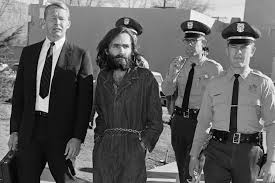
The Life of Charles Manson
Charles Manson, the infamous leader of the Manson Family cult, experienced an abusive upbringing and often found himself in reform schools throughout his youth. The absence of parental support and early exposure to criminal activity significantly influenced his violent actions. Manson was not inherently a murderer; rather, his circumstances led him in that direction.

The Case of Al Capone
Al Capone, the renowned gangster, came from a financially struggling immigrant family in Brooklyn. Faced with limited prospects and a crime-filled environment, he became involved with gangs at a young age. The difficult socio-economic conditions he endured steered him toward organized crime, demonstrating the impact of surroundings on criminal behavior.
The Middle Ground: A Blend of Both
Contemporary criminologists largely agree that crime stems from a combination of nature and nurture. Genetic factors may render specific individuals more susceptible to criminal behavior, but environmental influences often dictate whether they will act upon these traits.
For example, two individuals might share similar biological traits related to aggression, but one raised in a nurturing and supportive environment may lead a typical life, while the other—exposed to violence and neglect—might resort to crime.
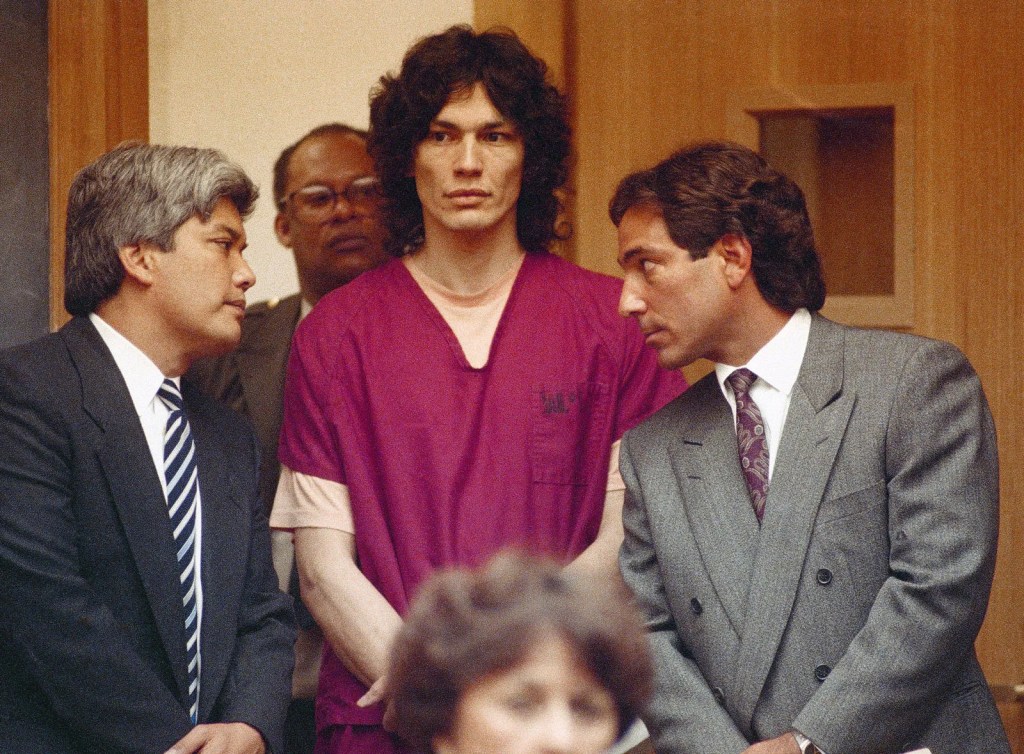
The Case of Richard Ramirez (The Night Stalker)
Richard Ramirez was raised in a violent and abusive environment. His older cousin, a Vietnam War veteran, introduced him to graphic depictions of torture and murder. Though Ramirez might have had a genetic tendency toward violence, his upbringing was instrumental in his transition into criminality.
Conclusion: Born or Shaped?
There is no straightforward response to the question of whether criminals are created or born. Although some people may be predisposed to hostile or antisocial tendencies due to hereditary reasons, their immediate surroundings ultimately impacts whether they choose to lead a life of crime.
 Richa's Blogs